

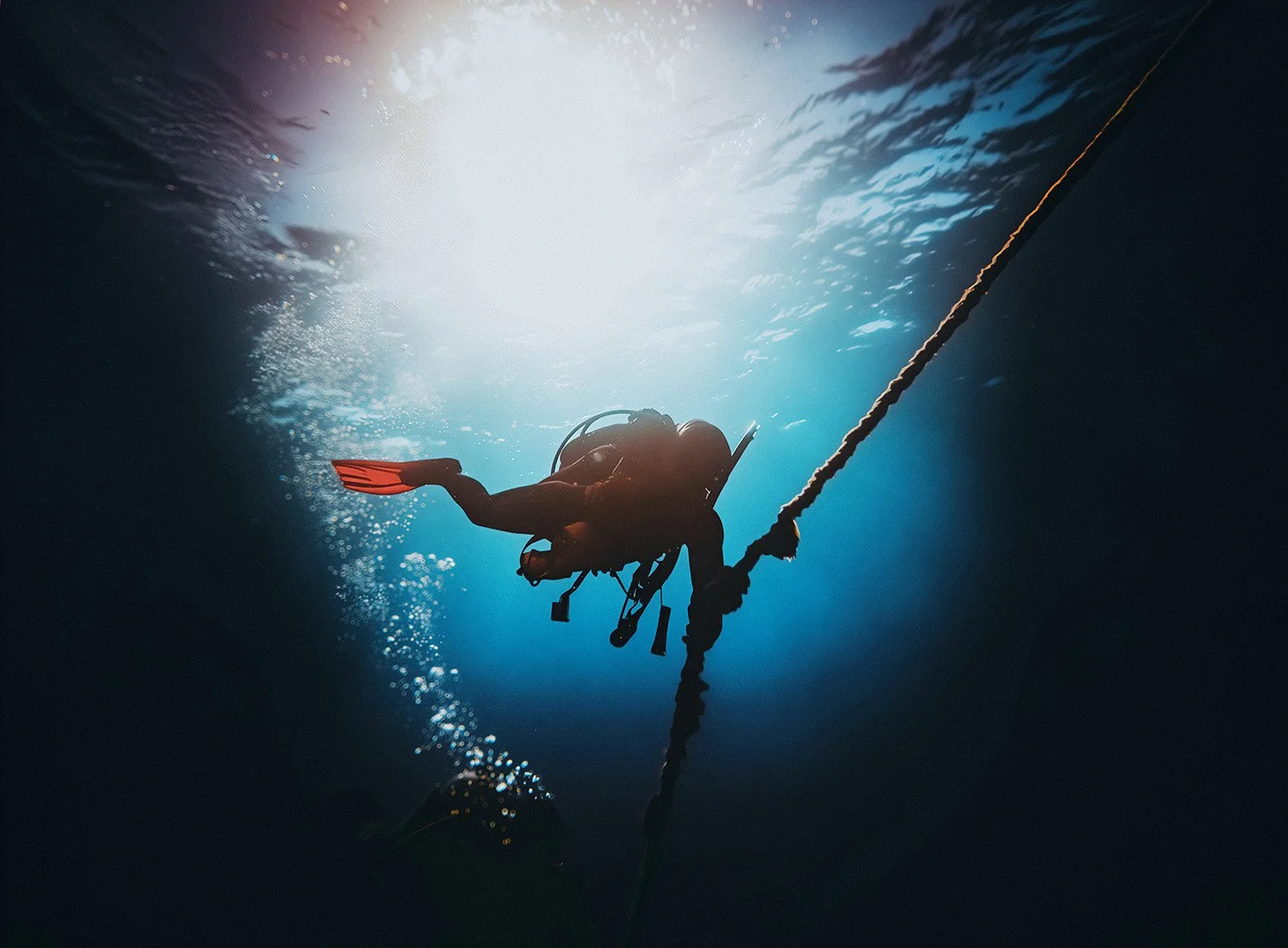
Puerto Rico offers dive sites for any diver, from vibrant reefs to exciting wrecks and caverns.
Where can I scuba dive in Puerto Rico?
Puerto Rico is a Caribbean archipelago consisting of the main island, four small islands, and hundreds of cays and islets. It's a scuba diver's paradise, with warm weather year-round and dive sites suitable for all skill levels. With over 100 dive sites, you’ll have plenty to explore!
The Puerto Rico Tourism Company categorizes the island's 78 municipalities into six different regions: Porta del Sol (West), Porta Atlántico (North), Metro, Porta Este (East), Porta Cordillera (Central), and Porta Caribe (South).
Dive in Puerto Rico groups them into four regions for simplicity: north, south, east, and west.
Puerto Rico's north coast has intriguing dive sites but is vulnerable to northern swells. Other areas—such as Lajas and Guánica on the south coast and Fajardo, Vieques, and Culebra on the east coast—provide reliable diving conditions through boat-accessible dives. Meanwhile, the west coast offers a range of year-round dive sites accessible by boat or shore.
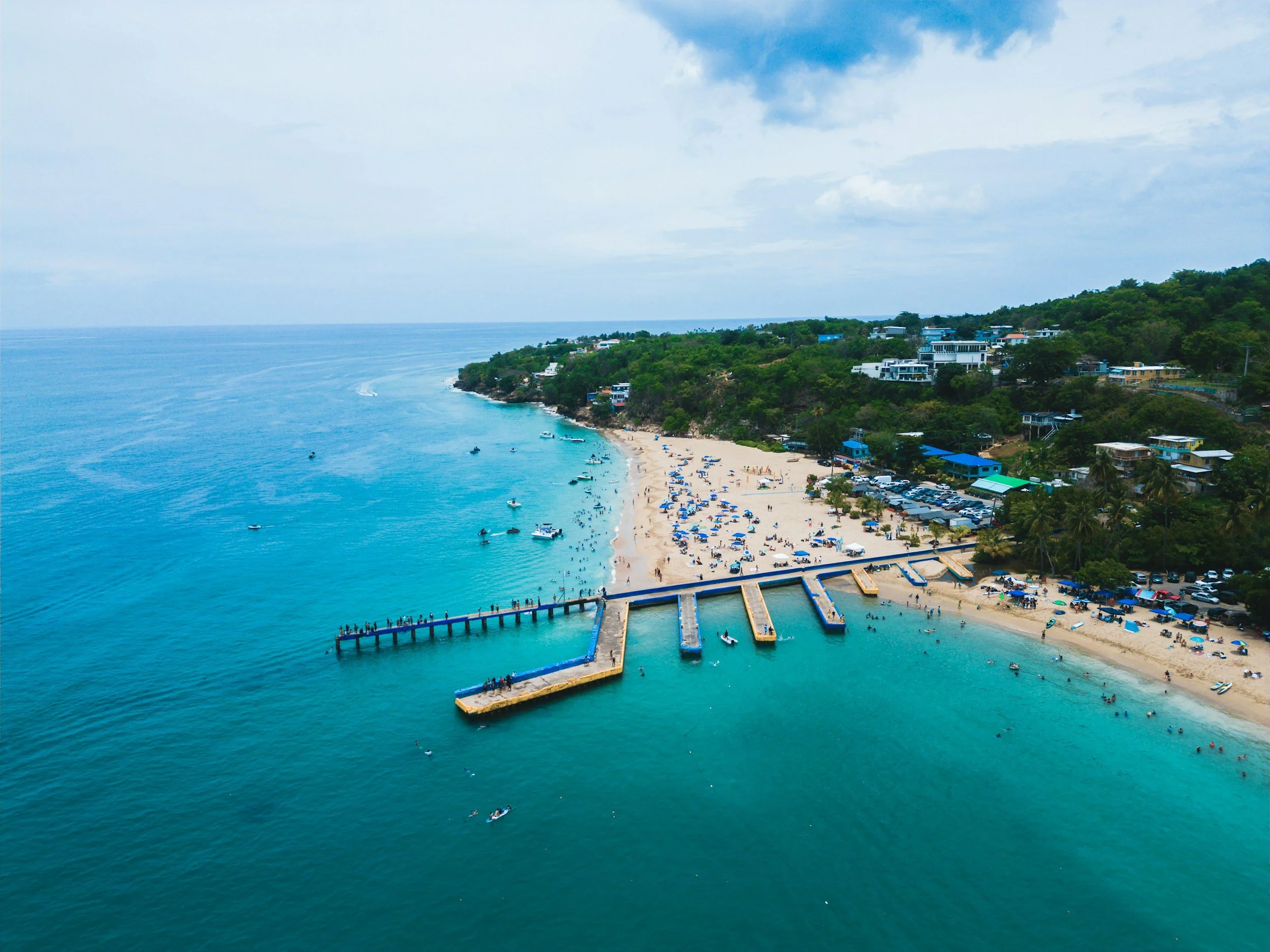
Map of dive sites in Puerto Rico
Learn more about Puerto Rico's stunning dive sites with our interactive map. Just a heads up: this is not a comprehensive list of every dive site in Puerto Rico, but we hope it inspires you to explore new places on the island.
These locations are approximations illustrated for educational purposes. Dive in Puerto Rico aims to showcase the island’s diverse underwater treasures while emphasizing the importance of their protection. Please practice responsible diving to protect marine environments and local communities that depend on them.
How to Use This Map: Browse dive sites using filters based on their entry and dive type, such as shore entry, boat dives, wrecks, or caverns. Toggle the “Filter by Dive Centers or Instructors” option to find dive centers near you.
A note on wreck dives: Wrecks like the MV Ambar and the B-29 are suitable only for advanced and technical divers due to their depth. Additionally, the island's wreck dives are not accessible from shore, and there is a limited window for safe diving conditions.
Disclaimer
This map should not be used for navigation or as a substitute for careful dive planning. Depths and locations are approximations. Personal dangers and risks are inherent in scuba diving. Divers must carefully determine whether a dive site suits their skill level and certifications. When planning a dive, divers must also consider site conditions, including weather, wind, tides, currents, and local events. Remember to dive within your limits, plan your dive, and dive your plan!
Dive in Puerto Rico wishes to recognize the long legacy of divers who made this resource possible through exploration and knowledge sharing. Are you a dive center operator who wants to be listed, removed, or corrected for any of the above information? Send an email to hola@diveinpuertorico.com to get in touch.
Scuba diving on Puerto Rico’s north coast
Puerto Rico's northern coastline is known for its stunning beaches, such as Mar Chiquita in Manatí, La Poza del Obispo in Arecibo, and Puerto Nuevo in Vega Baja, to name a few. However, when it comes to scuba diving, the north coast is more vulnerable to swells and undesirable diving conditions.
Nevertheless, with mindful dive planning, you can enjoy a variety of shore-accessible dive sites, such as Los Tubos in Manatí and Cerro Gordo in Vega Alta. San Juan offers some of the most consistent diving conditions in the north coast. While water visibility isn't stellar, La Pocita in Escambrón Beach in San Juan is known for its calm and shallow waters, suitable for divers of all levels. You can often spot sea turtles, fish, coral, and even sunken memorabilia.
Scuba diving on Puerto Rico’s south coast
The island's southern coastline is popular for water sports such as kayaking, paddleboarding, scuba diving, and snorkeling. La Parguera in Lajas is a favored destination for boat tours due to its calm waters and pristine cays. It is also home to one of Puerto Rico's three bioluminescent bays. When it comes to scuba diving, the south coast, particularly around Guánica and Lajas, offers fairly reliable diving conditions. Most notably, The Wall is one of the island's most recognized dive sites due to its abundant marine life, stellar visibility, and impressive drop-off of over 2,000 feet (610 m).
While Guánica and Lajas may be the most popular scuba diving destinations in Puerto Rico’s southern coastline, you’ll also find dive sites in other municipalities such as Ponce. If you’re planning to dive around the area, be prepared to board a boat, as the south coast does not offer many easily accessible shore dives. Check out our dive map below for more details.
Scuba diving on Puerto Rico’s east coast
Puerto Rico's east coast is a popular destination for those looking to enjoy the archipelago's popular islands of Vieques and Culebra. Known for its white sand beaches and turquoise water, Culebra is a highly sought-after destination. As far as scuba diving is concerned, Puerto Rico's east coast offers an exceptional variety due to its many cays and even shipwrecks, such as Cayo Ratón and the WIT Power tugboat.
Besides spending the night or planning a day trip to Vieques or Culebra, divers can also explore dive sites off the coast of Fajardo and Humacao. See our dive map for more details.
Scuba diving on Puerto Rico’s west coast
The Dive in Puerto Rico team's favorite region to explore is undoubtedly the west coast. You can enjoy diving all along the western coastline, including Cabo Rojo, Mayagüez, Rincón, and Aguadilla. The west coast offers various sites, including plenty of shore-accessible dives. Not only that, but more advanced divers can also enjoy the caverns at Shacks Beach in Isabela or even wrecks like the MV Ambar and B-29 in Aguadilla.
Don’t worry. The west coast also offers plenty of leisurely shore dives like Tres Palmas in Rincón and Crash Boat Beach in Aguadilla. If the conditions are right, you can take a 45-minute boat ride to Desecheo, a stunning, uninhabited island with pristine visibility.

Planning to dive in Puerto Rico?