


Introductory Resources:
Marine Life and Biodiversity in Puerto Rico

What to expect when scuba diving, snorkeling, or freediving in Puerto Rico:
An introductory resource for scuba divers, snorkelers, freedivers, and any nature enthusiasts who want to learn more about the marine life found in Puerto Rico.
Many things make Puerto Rico a special place: its rich culture, people, history, and natural wonders. Puerto Rico’s biodiversity, above and below the waterline, is one of the many awe-inspiring natural treasures of this Caribbean archipelago.
Puerto Rico is home to lush rainforests, bioluminescent bays, sandy beaches, mangrove forests, and coral reefs. Its coral reefs, dive sites, and marine life regularly attract local and international scuba divers alike.
The island’s coastal zones and marine ecosystems play a vital role in the well-being of local communities and ecosystems. Many of its beaches serve as nesting sites for sea turtles and are home to hundreds of species.
Why should we better protect Puerto Rico's marine ecosystems?
The ocean covers most of our planet, regulates our weather and climate, provides most of our oxygen, and feeds much of the human population. Our blue planet is interconnected through oceans, and their wellbeing makes life on Earth possible.
Despite their importance, Puerto Rico’s marine ecosystems, like many others worldwide, are facing pressing threats of human activity, habitat degradation, climate change, ocean acidification, overfishing, pollution, and invasive species like the lionfish. Coral reefs in particular are experiencing increased threats posed by coral bleaching.
Marine ecosystems are crucial for bolstering climate resilience and supporting local economies. Coral reefs and coastal ecosystems provide coastline protection from hurricanes and erosion. Reefs, mangroves, and seagrass beds also support water quality by filtering pollutants and trapping sediments.
Scuba divers, snorkelers, freedivers, and anyone dependent on the ocean for recreation are ideally positioned to understand the importance of Puerto Rico’s marine life and advocate for its conservation.

Why are coral reefs so important?
Coral reefs are some of the most diverse and valuable ecosystems on Earth. Puerto Rico’s coral reefs are no exception. Reefs act as natural seawalls, reducing storm damage and flooding for coastal communities.
Besides providing the island with coastal protection, reefs are a source of food and shelter to numerous marine species, including crustaceans, seaweed, bacteria, fish, and more. Fish rely on reefs for protection from predators and ocean swells, and they are nursery grounds for many species.
Coral reefs are key contributors to the local economy through fishing and ecotourism. It is estimated that coral reefs contribute $36 billion in tourism revenue every year. Additionally, corals are considered key to medical breakthroughs. Many drugs are being developed from compounds discovered in coral reef animals and plants.
Beyond their cultural and economic value, reefs have important ecological functions. 25% of marine life worldwide depends on coral reefs. Reefs help maintain water quality by filtering pollutants and trapping sediments. Coral reefs are home to important filter feeders, like sponges, that filter toxins and contaminants out of the oceans, and support large amounts of plant life that take in carbon dioxide and release oxygen.

What marine life can you expect in Puerto Rico?
Scuba divers, snorkelers, and free divers can observe marine life around Puerto Rico’s beaches, fringing reefs, and patch reefs. This marine life includes plants, animals, and organisms across various ocean tidal zones.
Puerto Rico’s waters are home to a plethora of reef fish, sea turtles, rays, sharks, and elusive creatures tucked into coral crevices. The island lies on the migratory path of whales, which means that if you're lucky, you may spot a humpback whale breaching the water or hear their captivating song during a dive.
As far as corals go, divers can observe pencil, finger, brain, branching, and encrusting corals. Around the island, divers may also observe elkhorn corals, branching staghorn corals, sponges, and sea fans.
Marine life sightings in Puerto Rico include…
Reef Fish and Crustaceans: Trumpetfish, moray eels, seahorses, flounders, angelfish, groupers, parrotfish, barracuda, squirrelfish, butterflyfish, spiny lobsters, crabs, and more.
Sea Turtles: Regionally observed turtle species include green, leatherback, and hawksbill sea turtles, known locally as the “carey.”
Sharks and Rays: While other species can be seen, most commonly sighted are nurse sharks, Caribbean reef sharks, southern stingrays, and the occasional spotted eagle ray.
Macro Marine Life: Slow down and look closer during your next dive. You may find nudibranchs, Christmas tree worms, shrimp, gobies, and more.

Remember, while marine life is abundant, no marine life sightings are ever guaranteed. Most importantly, divers are guests of this underwater realm. Please be respectful, keep our beaches clean, and avoid touching and harming marine life. To learn more about fishing regulations and marine species’ protected status in Puerto Rico, check out the resources provided by Sea Grant Puerto Rico and the Department of Natural and Environmental Resources (DRNA).
Marine Life of Puerto Rico
IMAGE GALLERY
Get acquainted with Puerto Rico’s marine life using our gallery below. This resource is constantly growing and is by no means an exhaustive list of all marine species in Puerto Rico.
Non-scientific (common) names can vary, so please refer to scientific names to accurately differentiate species.
Wish to contribute to this gallery? We welcome submissions of high-quality photos and are glad to credit you by name. Please send us an email to hola@diveinpuertorico.com with your photo submission.

Common name: French angelfish
Group: Angelfishes
Scientific name: Pomacanthus paru
Español: Pez ángel francés
Image Location: Aguadilla
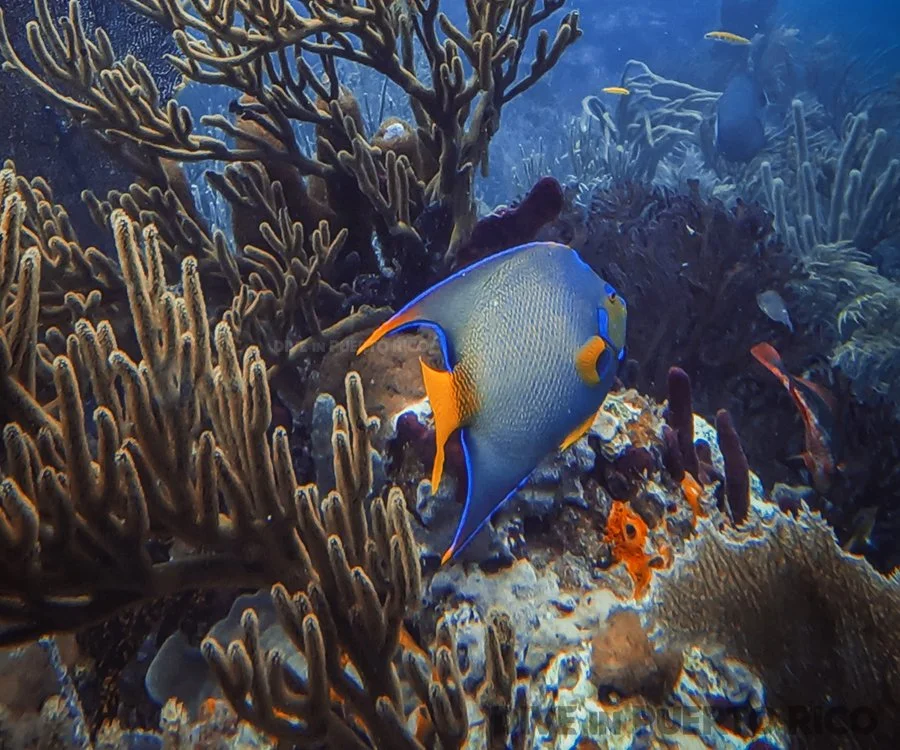
Common name: Queen angelfish
Group: Angelfishes
Scientific name: Holacanthus ciliaris
Español: Isabelita o pez ángel reina
Image Location: Mayagüez

Common name: Shortnose batfish
Group: Batfishes
Scientific name: Ogcocephalus nasutus
Español: Pez murciélago
Image Location: Rincón

Common name: Honeycomb cowfish
Group: Boxfishes
Scientific name: Acanthostracion polygonius
Español: Chapín panal o pez torito panal
Image Location: Isabela

Common name: Smooth trunkfish
Group: Boxfishes
Scientific name: Lactophrys triqueter
Español: Chapín baqueta o chapín común
Image Location: Aguadilla

Common name: Banded butterflyfish
Group: Butterflyfishes
Scientific name: Chaetodon striatus
Español: Pez mariposa bandado
Image Location: Aguadilla

Common name: Sergeant major
Group: Damselfishes
Scientific name: Abudefduf saxatilis
Español: Sargento mayor, píntano o petaca rayada
Image Location: Aguadilla

Common name: Bicolor damselfish
Group: Damselfishes
Scientific name: Stegastes partitus
Español: Damisela bicolor
Image Location: Aguadilla

Common name: Goldspotted eel
Group: Eels
Scientific name: Myrichthys ocellatus
Image Location: Aguadilla

Common name: Spotted moray
Group: Eels
Scientific name: Gymnothorax moringa
Español: Morena manchada o pinta
Image Location: Aguadilla

Common name: Scrawled filefish
Group: Filefishes
Scientific name: Aluterus scriptus
Español: Pez lija pintado
Image Location: Lajas
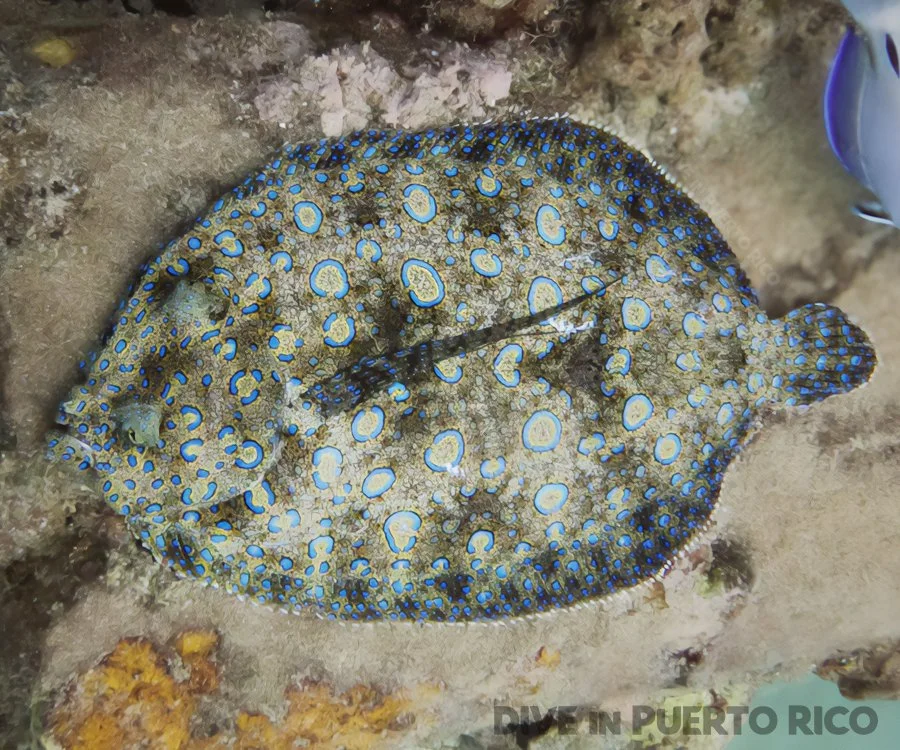
Common name: Peacock flounderfish
Group: Flounders
Scientific name: Bothus lunatus
Español: Platija del pavo real
Image Location: Aguadilla

Common name: Flying gurnard
Group: Flying Gurnards
Scientific name: Dactylopterus volitans
Español: Pez golondrina
Image Location: Aguadilla

Common name: Nassau grouper
Group: Groupers
Scientific name: Epinephelus striatus
Español: Mero cherna o mero criollo
Image Location: Guánica
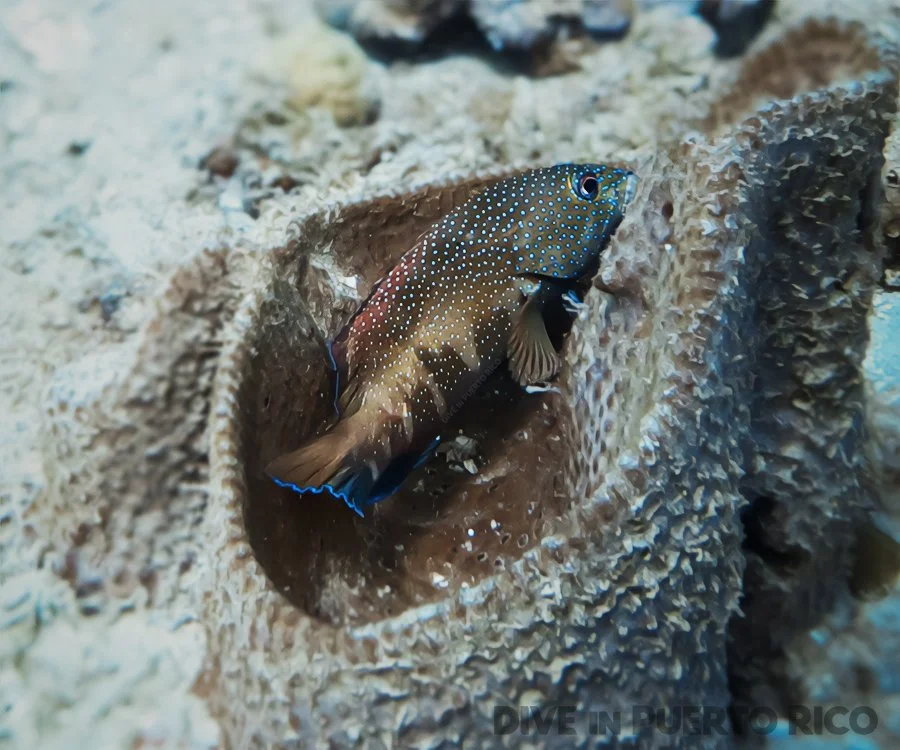
Common name: Coney grouper (brown color phase)
Group: Groupers
Scientific name: Cephalopholis fulva
Español: Mero cabrilla roja (en su etapa color marrón)
Image Location: Aguadilla

Common name: French grunt
Group: Grunts
Scientific name: Haemulon flavolineatum
Español: Condenado
Image Location: Guánica

Common name: Smallmouth grunt
Group: Grunts
Scientific name: Haemulon chrysargyreum
Español: Ronco boquichica
Image Location: Guánica

Common name: Palometa
Group: Jacks
Scientific name: Trachinotus goodei
Español: Pámpano listado, pompano, palometa o palomilla
Image Location: Aguadilla
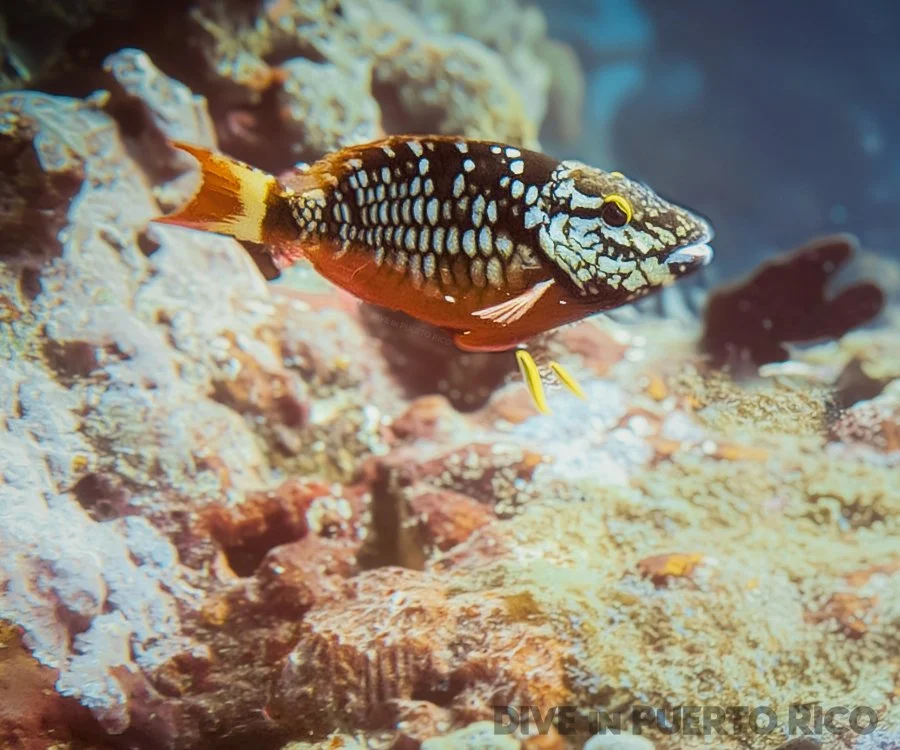
Common name: Spotlight parrotfish (initial phase)
Group: Parrotfishes
Scientific name: Sparisoma viride
Español: Loro brilloso (en su etapa inicial)
Image Location: Guánica

Common name: Caribbean reef squid
Group: Pencil Squids
Scientific name: Sepioteuthis sepioidea
Español: Calamar de arecife
Image Location: Aguadilla

Common name: Porcupinefish
Group: Porcupinefishes
Scientific name: Diodon hystrix
Español: Guanábano, puerco espino o pez erizo moteado
Image Location: Aguadilla

Common name: Red lionfish
Group: Scorpionfishes
Scientific name: Pterois volitans
Español: Pez león
Image Location: Rincón

Common name: Red cushion sea star
Group: Sea Stars
Scientific name: Oreaster reticulatus
Español: Estrella de mar
Image Location: Aguadilla
Common name: Hawksbill sea turtle
Group: Sea Turtles
Scientific name: Eretmochelys imbricata
Español: Carey o carey de concha
Image Location: Aguadilla

Common name: Green sea turtle
Group: Sea Turtles
Scientific name: Chelonia mydas
Español: Tortuga verde o peje blanco
Image Location: Aguadilla

Common name: Long-spined sea urchin
Group: Sea Urchins
Scientific name: Diadema antillarum
Español: Erizo negro
Image Location: Isabela

Common name: Longsnout seahorse (slender seahorse)
Group: Seahorses
Scientific name: Hippocampus reidi
Español: Caballito de mar
Image Location: Aguadilla

Common name: Southern stingray
Group: Sharks & Rays
Scientific name: Hypanus americanus
Español: Raya, raya de espina o raya-látigo americana
Image Location: Aguadilla

Common name: Nurse shark
Group: Sharks & Rays
Scientific name: Ginglymostoma cirratum
Español: Tiburón gata
Image Location: Desecheo

Common name: Caribbean reef shark
Group: Sharks & Rays
Scientific name: Carcharhinus perezii
Español: Tiburón coralino (a veces llamado "limón" pero distinto al "lemon shark")
Image Location: Gúanica

Common name: Yellowtail snapper
Group: Snappers
Scientific name: Ocyurus chrysurus
Español: Colirrubia
Image Location: Aguadilla
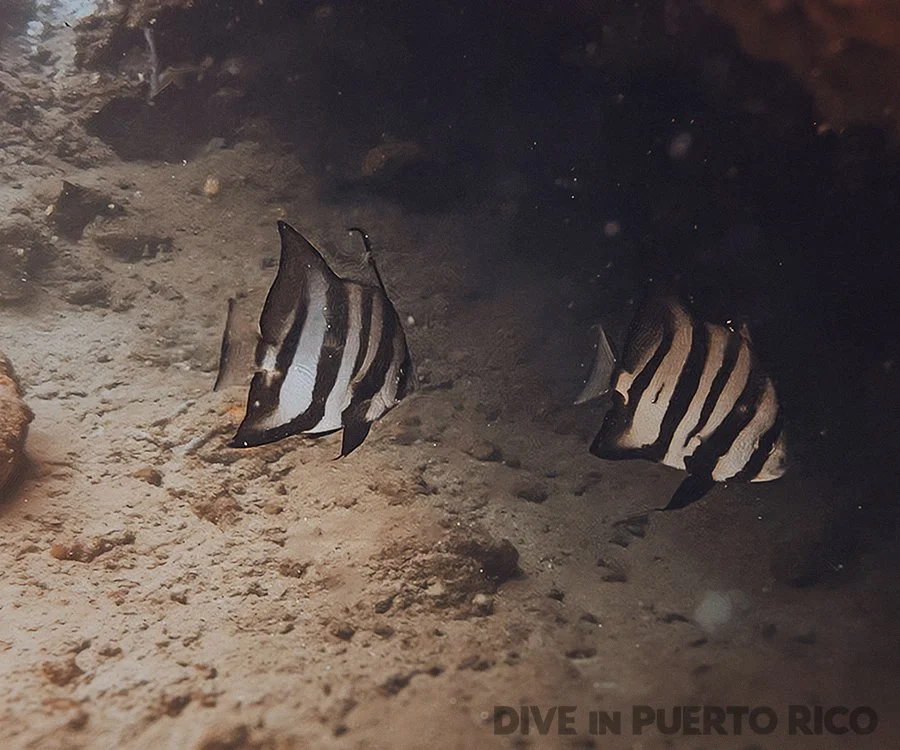
Common name: Atlantic spadefish
Group: Spadefishes
Scientific name: Chaetodipterus faber
Español: Paguara o paguala del Atlántico
Image Location: Guánica

Common name: Caribbean spiny lobster
Group: Spiny Lobsters
Scientific name: Panulirus argus
Español: Langosta común
Image Location: Desecheo

Common name: Squirrelfish (pictured with a parasitic isopod on its head)
Group: Squirrelfishes
Scientific name: Holocentrus adscensionis
Español: Pez gallo, candil o candilero
Image Location: Aguadilla

Common name: Ocean surgeonfish (pale color phase)
Group: Surgeonfishes
Scientific name: Acanthurus tractus
Español: Pez cirujano (en su etapa color claro)
Image Location: Aguadilla

Common name: Blue tang
Group: Surgeonfishes
Scientific name: Acanthurus coeruleus
Español: Pez cirujano o cirujano azul
Image Location: Aguadilla

Common name: Black durgon
Group: Triggerfishes
Scientific name: Melichthys niger
Image Location: Guánica

Common name: Atlantic trumpetfish
Group: Trumpetfishes
Scientific name: Aulostromus maculatus
Español: Pez trompeta, corneta o trompa pintada
Image Location: Aguadilla
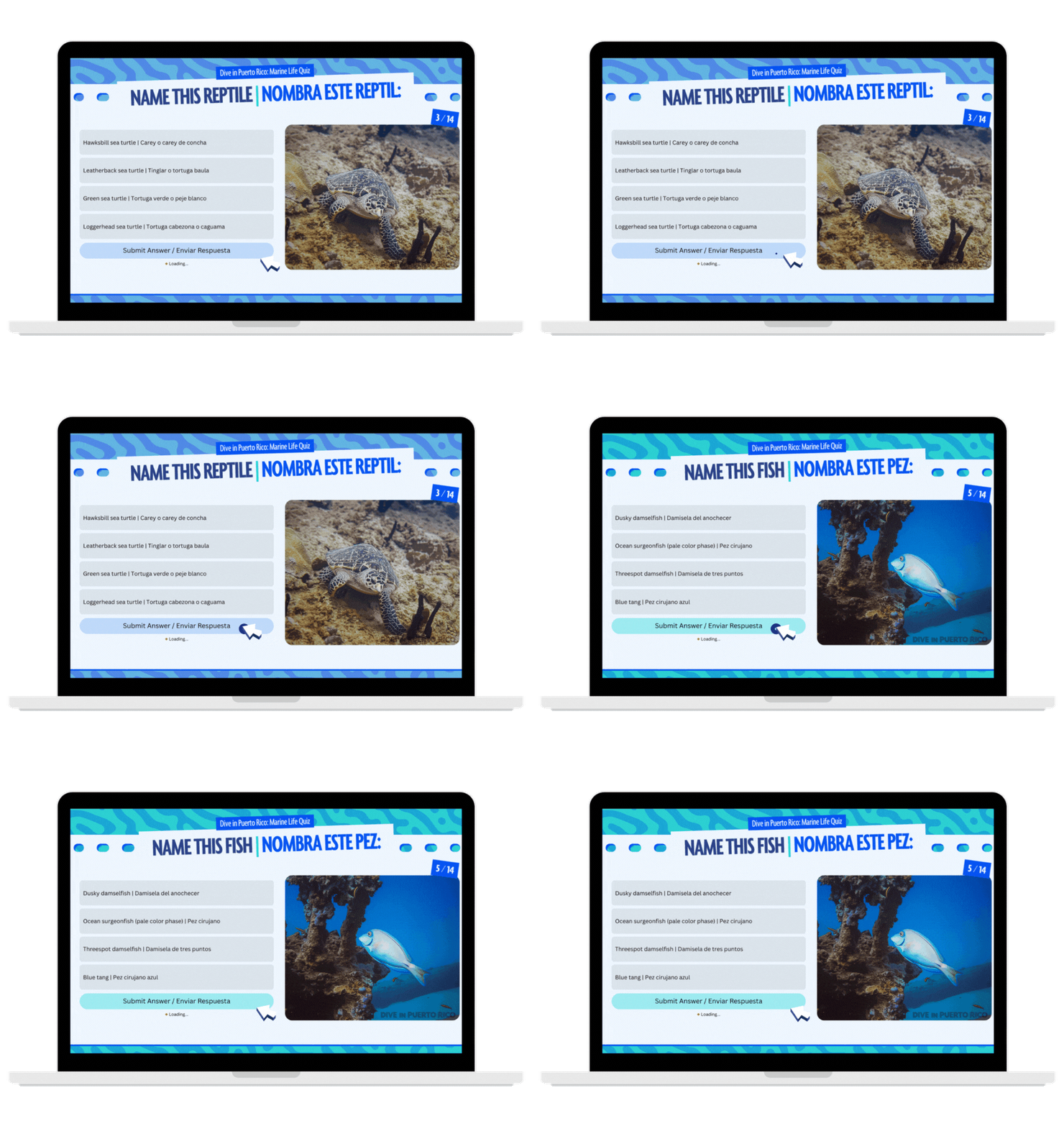
Want to test your knowledge of marine life in Puerto Rico?
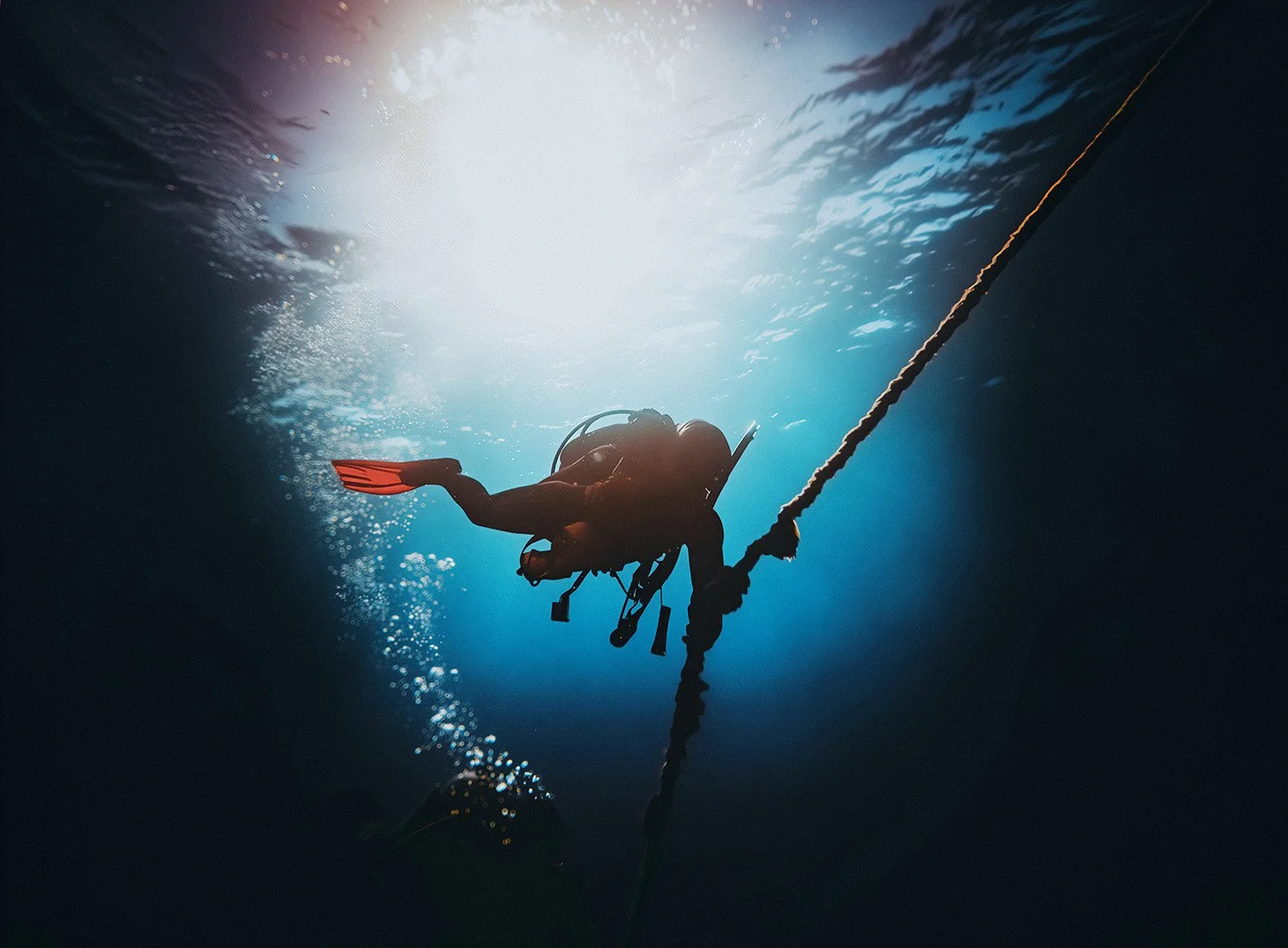
Planning to dive in Puerto Rico?